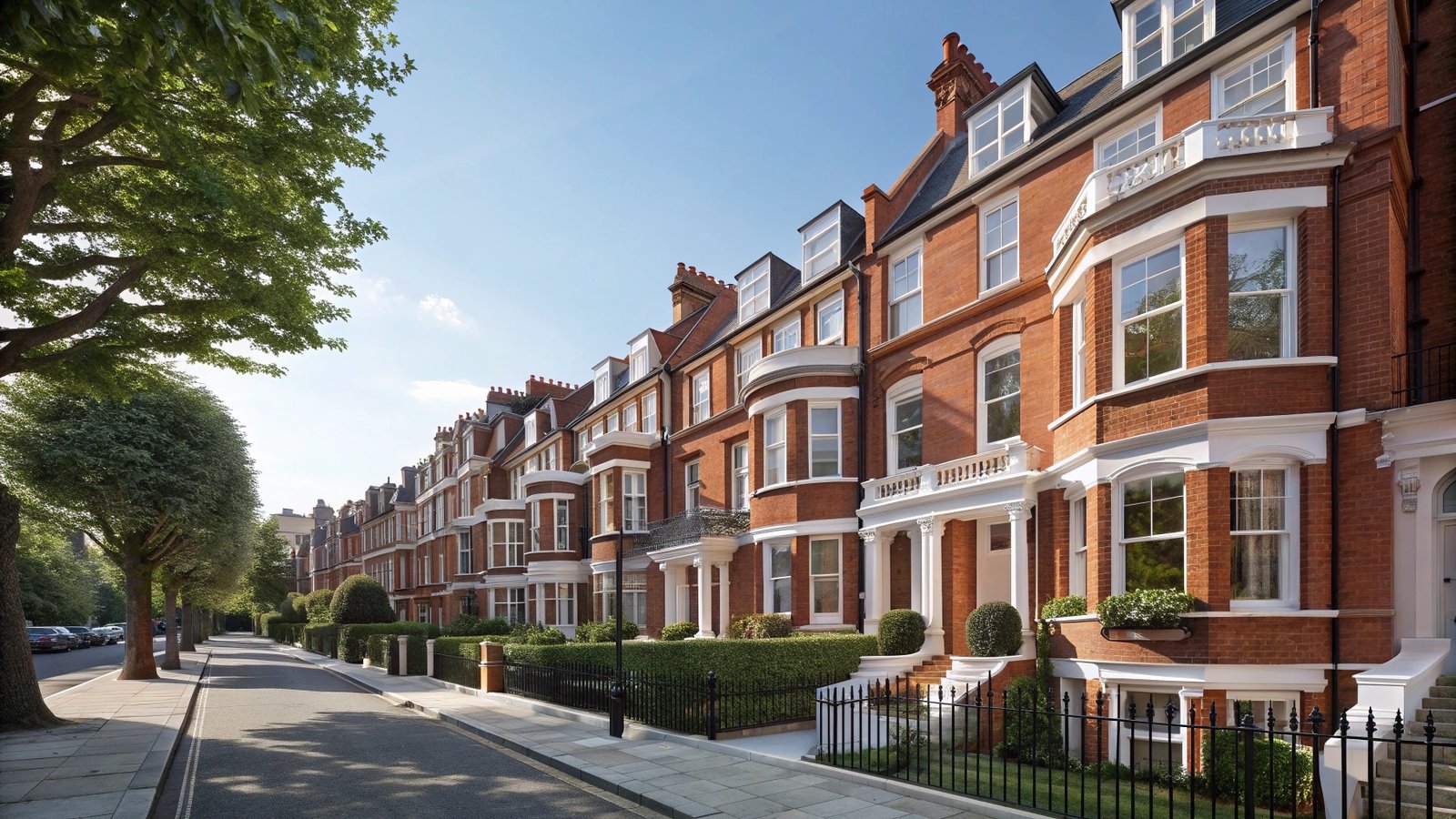
London Home Surveys - Victorian properties are among the most beautiful and characterful homes in London. Built during Queen Victoria's reign (1837-1901), these period properties feature stunning architectural details, high ceilings, and solid construction. However, they also come with unique challenges that require expert assessment by experienced RICS chartered building surveyors.
As professional surveyors who have inspected hundreds of Victorian homes across London, we understand exactly what to look for in these historic properties. This comprehensive guide will help you understand what a building survey of a Victorian property entails and the common issues our team regularly identifies.
Why Victorian Properties Need Specialist Surveys
Victorian homes were built using very different methods and materials than modern properties. While many have stood the test of time remarkably well, they require careful inspection to identify issues that could be costly to repair. A Level 3 building survey is typically recommended for Victorian properties, as it provides the detailed analysis these older buildings deserve.
Common Victorian Construction Methods
Understanding how your Victorian property was built helps you appreciate why certain defects occur:
- Solid Brick Walls: Typically 9 inches (one brick) or 13.5 inches (one and a half bricks) thick
- Lime Mortar: More flexible than modern cement mortar, allowing walls to breathe
- Timber Floor Joists: Suspended timber ground floors with underfloor ventilation
- Slate Roofs: Natural slate tiles that can last 100+ years when maintained
- Sash Windows: Original timber sash windows with single glazing
- No Damp Proof Course: Many built without modern damp protection
Top 10 Issues Found in Victorian Property Surveys
1. Damp and Moisture Problems
Damp is the most common defect we identify in Victorian homes. These properties were built to "breathe" using lime mortar and permeable materials. When modern cement render or impermeable paints are applied, moisture becomes trapped, leading to damp issues.
What we look for:
- Rising damp from lack of damp proof course
- Penetrating damp through solid walls
- Condensation from poor ventilation
- Failed or bridged damp proof courses (if retrofitted)
- High ground levels against walls
Typical costs: £500-£3,000 depending on extent and solution required
2. Subsidence and Structural Movement
Victorian properties in London often show signs of historical movement. The key question for our surveyors is whether movement is ongoing or historic and stable.
London's clay soils are particularly prone to subsidence. Victorian homes were built with shallow foundations (often just 2-3 feet deep), making them vulnerable to ground movement, especially during dry summers when clay shrinks.
Warning signs we check:
- Diagonal cracks wider than 3mm
- Cracks near doors and windows
- Bulging or leaning walls
- Cracked or uneven floors
- Doors and windows that stick
Typical costs: Monitoring (£500-£1,000), minor underpinning (£10,000-£15,000 per corner), major underpinning (£25,000-£50,000+)
3. Roof Issues
Victorian slate roofs can last well over 100 years, but many are now approaching the end of their life. Our building surveyors carefully inspect roofs from ground level using binoculars and, where access permits, from within the loft space.
Common roof defects:
- Slipped or missing slate tiles
- Deteriorated or failed lead valleys and flashings
- Rotten timber roof structure
- Inadequate roof ventilation
- Original cast iron gutters and downpipes corroding
Typical costs: Slate repairs (£500-£2,000), full re-roof (£10,000-£25,000), lead valley replacement (£2,000-£5,000)
4. Timber Decay and Rot
Suspended timber ground floors are common in Victorian properties. When underfloor ventilation is inadequate, timber can rot. We use moisture meters and visual inspection to assess timber condition.
Types of timber decay:
- Wet Rot: Common in areas with persistent moisture
- Dry Rot: More serious fungal attack requiring specialist treatment
- Woodworm: Beetle infestation in structural timbers
Typical costs: Wet rot repairs (£1,000-£3,000), dry rot treatment (£3,000-£8,000), floor joist replacement (£5,000-£15,000)
5. Original Victorian Windows
Many Victorian properties retain their original timber sash windows. While these can be charming, they often need attention after 100+ years of service.
Common window issues:
- Rotten timber frames and sills
- Failed sash cords
- Cracked or broken glass panes
- Poor thermal efficiency (single glazing)
- Deteriorated putty and paintwork
Typical costs: Sash window restoration (£400-£800 per window), full replacement (£800-£1,500 per window), draught proofing (£100-£200 per window)
6. Electrical Wiring
Many Victorian properties still have outdated electrical systems. Modern standards require RCD protection and earthing that older installations lack.
What our surveys identify:
- Old rubber or fabric-covered wiring
- Insufficient number of sockets
- Outdated fuse boxes
- Lack of RCD protection
- DIY additions that don't meet regulations
Typical costs: Full rewire for a 3-bed Victorian terrace (£5,000-£8,000), consumer unit replacement (£500-£1,000)
7. Plumbing and Heating
Original Victorian properties had no central heating or modern plumbing. What you see today is usually a mix of upgrades from different eras.
Common plumbing issues:
- Lead water pipes (health hazard requiring replacement)
- Aged copper or steel pipes
- Outdated boilers approaching end of life
- Poor water pressure
- Inadequate radiator sizing for high-ceilinged rooms
Typical costs: Lead pipe replacement (£1,500-£3,000), new boiler (£2,500-£4,000), full heating system (£5,000-£10,000)
8. Chimney and Fireplace Issues
Victorian homes typically have multiple chimneys serving fireplaces in most rooms. Even if fireplaces are no longer used, chimneys still need maintenance.
Chimney defects we find:
- Deteriorating chimney stacks and pots
- Cracked or missing chimney flashings
- Damp from unsealed or uncapped chimneys
- Loose or dangerous chimney stacks
- Blocked or unswept flues
Typical costs: Stack repairs (£1,000-£3,000), repointing (£500-£1,500), chimney removal (£2,000-£4,000)
9. Original Features and Conservation
Many Victorian properties are in conservation areas or are listed buildings. This affects what alterations you can make and how repairs must be carried out.
Features to preserve:
- Original sash windows
- Decorative cornicing and ceiling roses
- Fireplaces and surrounds
- Front doors and stained glass
- Original floor tiles
Cost implications: Conservation area requirements can add 20-50% to repair costs due to requirement for matching materials and specialist tradespeople.
10. Rear Extensions and Alterations
Many Victorian terraces have been extended. Our surveys assess whether these extensions were properly built and have necessary approvals.
What we check:
- Building regulation compliance
- Structural soundness of extension
- Proper connection to original building
- Adequate foundations
- Damp proofing and insulation
Victorian Property Survey Checklist
When our RICS chartered surveyors inspect a Victorian property, we follow a comprehensive checklist:
External Inspection
- Roof condition and materials
- Chimney stacks and pots
- Rainwater goods (gutters and downpipes)
- Wall condition and pointing
- Damp proof course (if present)
- Ground levels around property
- Windows and doors
- Front and rear gardens
- Boundary walls and outbuildings
Internal Inspection
- Structural walls and ceilings
- Floor condition and levelness
- Damp testing with moisture meter
- Window and door operation
- Heating system and radiators
- Plumbing and drainage
- Electrical installation
- Kitchen and bathroom condition
- Loft space and roof structure
- Cellar or basement (if present)
Real Case Study: Victorian Terrace in Wandsworth
Last year we surveyed a beautiful 4-bedroom Victorian terrace in Wandsworth for clients considering a purchase at £950,000. Here's what we found:
Major Issues Identified:
- Historic subsidence at rear (monitored and stable): No current action needed
- Roof nearing end of life: Budget £15,000 for replacement within 3 years
- Rising damp affecting front reception: £2,500 for damp proof course injection
- Outdated electrical wiring: £6,000 for full rewire
- Original windows needing restoration: £8,000 for all windows
Total estimated repairs: £31,500
Armed with our detailed report, the buyers negotiated a £30,000 reduction in the purchase price. They proceeded with the purchase knowing exactly what work was needed and the likely costs. This is the value of a thorough Level 3 building survey.
Victorian Property Survey Costs
For a Victorian property in London, we typically recommend a Level 3 building survey. Costs vary based on property size and value:
- 2-bed Victorian terrace: £800-£1,000
- 3-bed Victorian terrace: £1,000-£1,200
- 4-bed Victorian terrace: £1,200-£1,500
- Large Victorian villa: £1,500-£2,500+
Remember, the survey cost is tiny compared to potential repair bills if problems are missed. We've helped countless clients avoid expensive mistakes.
Questions to Ask Your Surveyor
When choosing a surveyor for your Victorian property, ask:
- How many Victorian property surveys have you conducted?
- Are you familiar with this area of London?
- Will you provide repair cost estimates?
- Can I contact you after receiving the report to discuss findings?
- What additional investigations might be needed?
After the Survey
Once you receive your building survey report, you have several options:
If Minor Issues Found
Proceed with purchase, budgeting for necessary repairs. Use the survey report to plan maintenance priorities.
If Significant Issues Found
Renegotiate the purchase price based on repair costs. Our detailed reports provide the evidence you need to negotiate effectively.
If Major Structural Issues Found
Consider whether you want to take on the project. Some buyers walk away, others negotiate substantial reductions. Your surveyor can advise on severity.
Why Choose London Home Surveys for Victorian Properties?
Our team of RICS chartered building surveyors has extensive experience with Victorian properties across London. We understand the unique characteristics of these period homes and what to look for.
What sets us apart:
- Specialists in period property surveys
- Detailed reports averaging 40-60 pages for Victorian homes
- Repair cost estimates included
- Photos of all significant defects
- Post-survey consultation included
- Fast turnaround (7-10 days)
Conclusion
Victorian properties offer wonderful characterful homes, but they need expert assessment to identify potential issues. A comprehensive Level 3 building survey from experienced RICS chartered surveyors is essential to make an informed decision about your purchase.
Don't let the beauty and charm of a Victorian property blind you to potential problems. Our detailed surveys give you the complete picture, allowing you to proceed with confidence or negotiate accordingly.
Ready to book a Victorian property survey? Contact our team of chartered building surveyors today for a free quote.
About the Author: This article was authored by London Home Surveys' senior period property specialists, RICS chartered surveyors with over 20 years' combined experience surveying Victorian, Edwardian, and Georgian homes throughout London's most prestigious historic neighborhoods including Kensington, Hampstead, and Islington.